Empower Yourself: How to Enhance Your Digital Literacy Skills
In the interconnected world of today, digital literacy is no longer a niche skill but a fundamental necessity. Navigating the vast ocean of information, communicating effectively, and participating fully in society all hinge on one’s ability to understand, use, and create within digital environments. This article delves into the various facets of digital literacy, offering a comprehensive guide to not only understand its importance but also to proactively enhance these crucial skills, ultimately empowering you in both your personal and professional life.
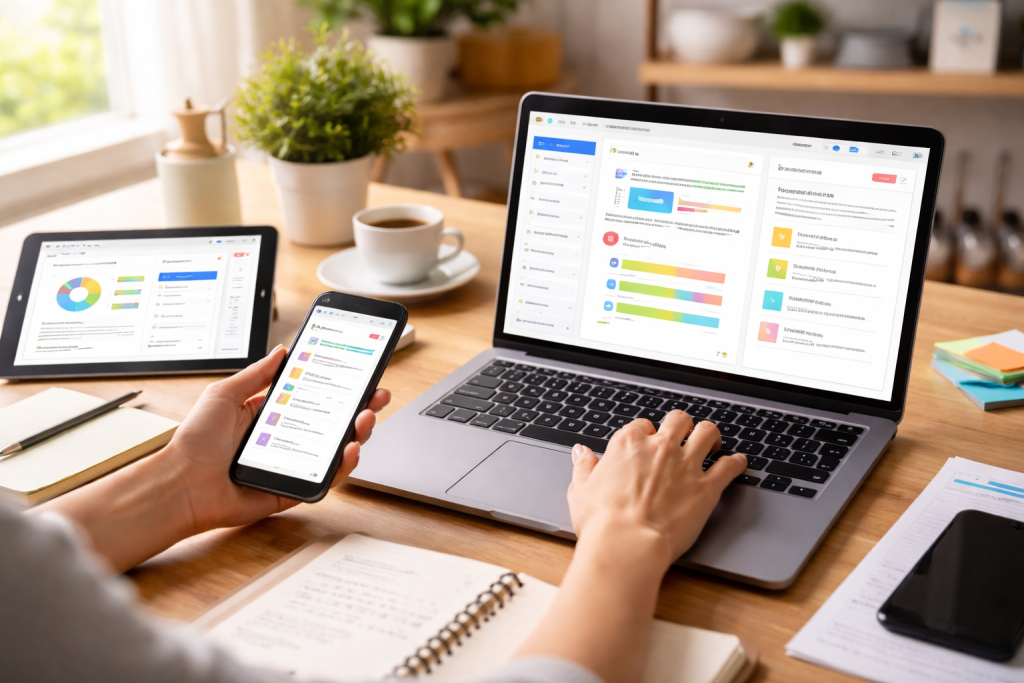
The digital revolution has dramatically reshaped the way we live, work, and interact. From accessing banking services to applying for jobs, from connecting with loved ones across continents to learning new skills, almost every aspect of our lives now has a digital dimension. Without strong digital literacy, individuals risk being left behind, unable to participate fully in this evolving landscape.
Contents
- 1 Bridging the Digital Divide
- 2 Ensuring Informed Decision-Making
- 3 Fostering Economic Opportunities
- 4 Information and Data Literacy
- 5 Communication and Collaboration Skills
- 6 Digital Content Creation
- 7 Safety and Cybersecurity Awareness
- 8 Problem-Solving and Technical Proficiency
- 9 Embrace Lifelong Learning
- 10 Practice Regularly and Experiment
- 11 Utilize Online Learning Resources
- 12 Seek Out Challenges and Projects
- 13 Get Feedback and Collaborate
- 14 Online Learning Platforms
- 15 Community Centers and Libraries
- 16 Software Tutorials and Help Guides
- 17 YouTube Channels and Educational Blogs
- 18 Government and Non-Profit Initiatives
- 19 Fear of Technology and Information Overload
- 20 Lack of Access or Financial Constraints
- 21 Time Constraints and Juggling Priorities
- 22 Lack of Motivation and Direction
- 23 Dealing with Misinformation and Online Risks
- 24 Enhanced Personal Growth and Well-being
- 25 Increased Employability and Career Advancement
- 26 Greater Civic Engagement and Social Participation
Bridging the Digital Divide
Digital literacy serves as a powerful equaliser, bridging the gap between those who have access to technology and those who can effectively utilise it. In many communities, the lack of digital skills perpetuates existing socio-economic inequalities, limiting access to education, healthcare information, and economic opportunities. Empowering individuals with digital literacy means empowering them to overcome these barriers.
Ensuring Informed Decision-Making
In an era of information overload and pervasive misinformation, the ability to critically evaluate digital content is paramount. Digital literacy equips individuals with the tools to discern reliable sources from unreliable ones, to identify biases, and to make informed decisions based on accurate information. This is crucial for navigating political discourse, consumer choices, and even personal health decisions.
Fostering Economic Opportunities
The modern job market increasingly demands digital proficiency. From basic computer operations to data analysis, coding, and digital marketing, a vast array of professions now require a sophisticated understanding of digital tools and platforms. Enhancing digital literacy directly translates into improved employability and career advancement prospects, opening doors to new opportunities and fostering economic growth.
Digital literacy is a multifaceted concept, encompassing a wide range of abilities that go beyond simply knowing how to operate a computer. It is crucial to recognise these distinct skill sets to effectively target areas for improvement.
Information and Data Literacy
At the core of digital literacy lies the ability to effectively find, evaluate, and utilise information and data. This includes knowing how to formulate effective search queries, navigating complex databases, discerning credible sources from misinformation, and understanding data visualisation. It’s about becoming a critical consumer of digital information.
Communication and Collaboration Skills
The digital age has revolutionised communication. Digital literacy in this context involves mastering various online communication tools—email, instant messaging, video conferencing, and social media—and understanding appropriate digital etiquette. It also encompasses the ability to effectively collaborate on digital projects, share documents, provide feedback, and work remotely.
Digital Content Creation
Beyond consuming digital content, the ability to create it is becoming increasingly important. This includes not just writing text for online platforms but also creating presentations, editing images and videos, developing websites, and even basic coding. Digital content creation fosters creativity and allows individuals to contribute actively to the digital landscape.
Safety and Cybersecurity Awareness
As we spend more time online, understanding digital safety and cybersecurity is non-negotiable. This involves knowing how to protect personal information, recognising phishing attempts, understanding privacy settings, and utilising strong passwords. It also includes being aware of digital footprints and the potential consequences of online actions.
Problem-Solving and Technical Proficiency
Digital environments often present technical challenges. Digital literacy in this area involves troubleshooting common software or hardware issues, understanding basic network functions, and adapting to new technologies quickly. It’s about being resourceful and resilient in the face of digital obstacles.
Embarking on the journey to enhance your digital literacy is an achievable goal, and there are numerous practical steps you can take to make continuous progress.
Embrace Lifelong Learning
The digital landscape is constantly evolving, with new technologies and platforms emerging regularly. Adopt a mindset of continuous learning, recognising that digital literacy is not a destination but an ongoing process. Be open to exploring new tools and updating your knowledge.
Practice Regularly and Experiment
Theoretical knowledge alone is insufficient; practical application is key. Dedicate time each day to engaging with digital tools and platforms. Experiment with new features, try different applications, and challenge yourself to complete tasks using digital resources. The more you practise, the more comfortable and proficient you will become.
Utilize Online Learning Resources
The internet itself is a treasure trove of learning opportunities. Take advantage of free online courses on platforms like Coursera, edX, or Khan Academy, which offer modules on various digital skills. Watch tutorials on YouTube, join online forums, and read articles and blogs dedicated to digital literacy.
Seek Out Challenges and Projects
The best way to solidify your skills is by applying them to real-world scenarios. Take on a new digital project, such as building a simple website, creating a digital marketing campaign for a local business, or organising a virtual event. These challenges will push you to learn and apply new skills while achieving tangible results.
Get Feedback and Collaborate
Learning from others is invaluable. Join online communities or local groups focused on digital skills. Ask for feedback on your digital creations, collaborate with others on projects, and engage in discussions about technology. Peer learning can expose you to different perspectives and best practices.
A wealth of resources exists to support your digital literacy development. Knowing where to look can significantly accelerate your learning journey.
Online Learning Platforms
As mentioned earlier, platforms like Coursera, edX, and Udemy offer a vast array of courses, from beginner-friendly introductions to advanced specialisations in areas like data science or cybersecurity. Many of these offer free audit options or financial aid.
Community Centers and Libraries
Local libraries and community centres often provide free workshops and computer classes, especially for basic digital skills. They can be excellent resources for those seeking in-person instruction and support, particularly for individuals who are just starting their digital journey.
Software Tutorials and Help Guides
Most software applications and online platforms offer extensive built-in tutorials, help guides, and FAQ sections. These resources are often overlooked but can be incredibly useful for mastering specific functionalities and troubleshooting common issues.
YouTube Channels and Educational Blogs
YouTube is a goldmine for visual learners, with countless channels dedicated to teaching everything from basic computer skills to complex software applications. Similarly, numerous blogs and websites offer free articles, guides, and tips on various aspects of digital literacy.
Government and Non-Profit Initiatives
Many governments and nonprofit organisations offer programmes and resources aimed at improving digital literacy across the population. These initiatives often include free training, access to technology, and personalised support, particularly for underserved communities.
The path to digital literacy is not always smooth, and individuals may encounter several challenges along the way. Recognising and addressing these obstacles is crucial for sustained progress.
Fear of Technology and Information Overload
For many, the sheer volume of information and the rapid pace of technological change can be intimidating. This fear can lead to avoidance and a reluctance to engage with digital tools. Start small, focus on one skill at a time, and celebrate small victories to build confidence.
Lack of Access or Financial Constraints
Not everyone has equal access to reliable internet, up-to-date devices, or paid online courses. Explore free resources, community initiatives, and public access points like libraries to mitigate these challenges. Advocacy for digital equity is also important.
Time Constraints and Juggling Priorities
In our busy lives, finding dedicated time for learning new skills can be difficult. Break down your learning goals into smaller, manageable chunks. Even 15-30 minutes of focused practice each day can lead to significant progress over time. Integrate digital learning into existing routines.
Lack of Motivation and Direction
Without clear goals or a personal connection to the learning process, motivation can wane. Identify specific ways in which enhanced digital literacy will benefit you personally or professionally. Set achievable goals and track your progress to maintain enthusiasm.
Dealing with Misinformation and Online Risks
The digital world presents challenges like misinformation, cyberbullying, and online scams. It’s important to develop critical thinking skills to evaluate information and to learn about online safety measures. Seek support from trusted sources if you encounter online harassment or threats.
The empowerment that comes with enhanced digital literacy extends far beyond simply using a computer. It profoundly impacts both personal growth and professional advancement, opening up new horizons and opportunities.
Enhanced Personal Growth and Well-being
Digitally literate individuals can access a wider range of educational resources, pursue new hobbies, and maintain stronger connections with friends and family, irrespective of geographical distances. This contributes to a richer personal life, fostering intellectual curiosity and emotional well-being. The ability to manage personal finances online, access healthcare information, and participate in civic discourse further enriches personal autonomy.
Increased Employability and Career Advancement
In today’s highly competitive job market, digital literacy is a non-negotiable skill. Employers across all sectors seek candidates who can proficiently use digital tools, communicate effectively online, and adapt to new technologies. Enhanced digital literacy not only increases the chances of securing a desirable job but also opens doors to promotions, leadership roles, and entrepreneurial opportunities. It allows individuals to contribute more effectively to the workplace and remain relevant in a rapidly evolving economy.
Greater Civic Engagement and Social Participation
Digital literacy enables individuals to participate more fully in democratic processes, advocate for causes they believe in, and engage in informed discussions on social issues. Access to diverse perspectives and the ability to critically evaluate news sources fosters a more engaged and empowered citizenry. It also facilitates participation in online communities and grassroots movements, amplifying individual voices.
Ultimately, enhancing your digital literacy is an act of self-empowerment. It is about taking control of your future in a world increasingly shaped by technology. By understanding the importance of these skills, identifying the key areas for improvement, and actively engaging with the available resources, you can unlock a world of possibilities. Do not view digital literacy as a burden, but rather as a key to opportunity, connection, and a more fulfilling life. The power to navigate, contribute to, and thrive in the digital age is within your reach. Embrace the journey, and empower yourself through the transformative potential of digital literacy.

Our mission is to assist students, beginners, and professionals in learning more effectively, developing practical skills, and enhancing their confidence in today’s digital world.