Elevate Your Designs with These Must-Have Free Online Tools
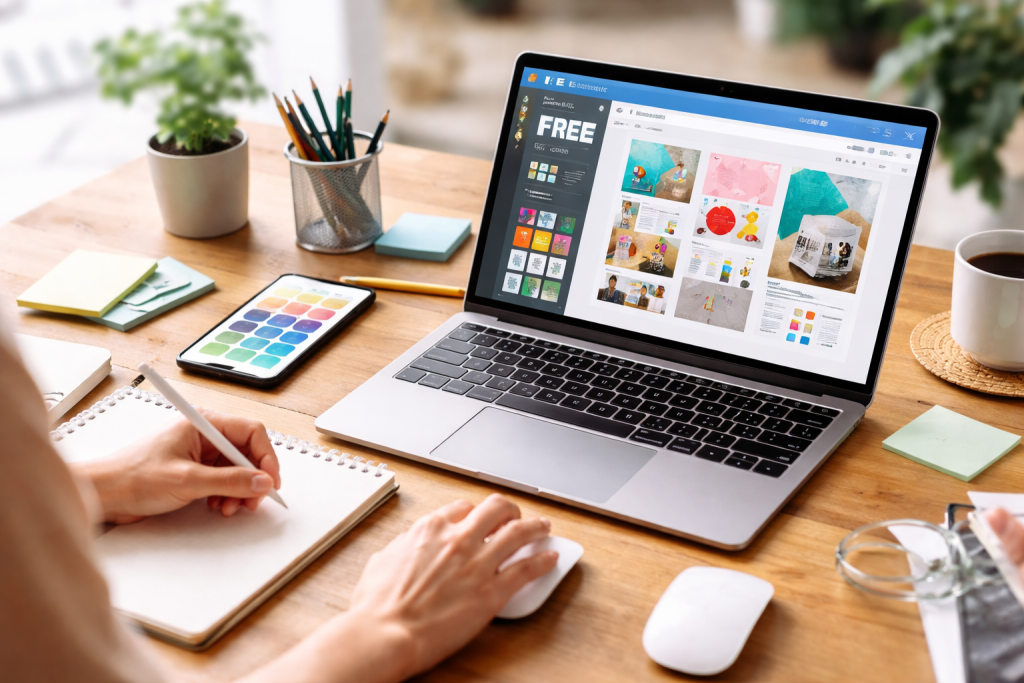
In the dynamic and ever-evolving world of visual communication, the ability to craft compelling designs is a skill that consistently commands attention and drives engagement. Whether you’re an aspiring graphic designer taking your first steps into this creative arena, a seasoned professional looking to streamline your workflow, or a small business owner aiming to enhance your brand’s visual identity, having access to the right tools is paramount. Fortunately, the digital landscape offers a wealth of exceptional free online resources that can significantly enhance your design skills, enabling you to produce stunning visual content at an affordable price. This comprehensive guide will delve into some of the most indispensable free online tools available, categorise them to help you navigate this rich ecosystem and unlock your creative potential.
Contents
Mastering the Art of Image Editing and Manipulation
The foundation of many compelling designs lies in the quality and impact of the imagery used. Whether you’re retouching photos, resizing graphics for social media, or creating entirely new visual compositions, a robust image editing tool is an absolute necessity. Fortunately, for those on a budget or just starting out, powerful alternatives to expensive desktop software are readily accessible online.
The Powerhouses of Free Image Editing
When it comes to sophisticated image editing, few free online tools rival the capabilities of Photopea. Often hailed as the spiritual successor to Adobe Photoshop, Photopea is a web-based editor that supports a vast array of file formats, including PSD, AI, XCF, Sketch, and more. Its interface will feel familiar to anyone who has used Photoshop, boasting layers, masks, adjustment layers, and a comprehensive set of tools for selection, retouching, and painting. The learning curve might seem a little steep for absolute beginners, but the sheer breadth of features it offers makes it an invaluable asset for anyone serious about digital image manipulation. You can perform complex tasks such as background removal, colour correction, compositing multiple images, and even creating realistic mockups of your designs. The continuous updates and active development ensure that Photopea remains a cutting-edge resource.
Simplified Solutions for Quick Edits
While Photopea offers unparalleled depth, sometimes you need a quicker, more intuitive solution for everyday image tasks. Canva stands out in this category, especially for novice users and those concentrating on social media graphics, presentations, and marketing materials. Canva’s drag-and-drop interface, coupled with a vast library of templates and design elements, makes it incredibly easy to create professional-looking visuals in minutes. Beyond basic edits such as cropping, resizing, and applying filters, Canva provides tools for incorporating text, shapes, and illustrations, thereby serving as a comprehensive solution for various design requirements. Its user-friendly nature allows even those with no prior design experience to produce impressive results, fostering confidence and encouraging creativity.
Specialized Tools for Specific Needs
In addition to general-purpose editing, specific tasks often benefit from specialised tools. For instance, if your primary focus is on background removal, Remove.bg offers an incredibly efficient and accurate solution. Upload your image, and within seconds, the AI-powered tool automatically detects and removes the background, providing you with a transparent PNG file. This tool significantly transforms the process of creating product images, profile pictures, or any other design that necessitates subject isolation. Similarly, for tasks like resizing and optimising images for web use, tools like TinyPNG (which also support JPGs) are invaluable. They use smart lossy compression techniques to reduce file sizes significantly without a noticeable drop in quality, leading to faster website loading times and improved user experience.
Crafting Compelling Graphics and Illustrations
Beyond manipulating existing images, the ability to create original graphics, icons, and illustrations is critical to establishing a unique visual identity. Vector-based tools often play a crucial role in this process, enabling scalable designs that maintain their quality even when resized.
The Vector Powerhouse for Everyone
At the forefront of free online vector illustration stands Inkscape. While it’s a desktop application, its open-source nature makes it entirely free to download and use. Inkscape offers a robust set of features comparable to professional vector software like Adobe Illustrator. It supports SVG (Scalable Vector Graphics) as its native format, making it ideal for creating logos, icons, illustrations, and web graphics that need to scale flawlessly. The software boasts advanced path editing tools, gradient meshes, text manipulation capabilities, and a wide range of filters and extensions. While the interface might be a bit more complex than some beginner-friendly options, the investment in learning Inkscape pays dividends in terms of creative freedom and professional output.
Quick and Easy Icon and Logo Creation
For those who need to generate icons or simple logos quickly and efficiently, Figma presents a surprisingly capable and accessible option. While primarily known as a collaborative interface design tool, Figma’s vector editing capabilities are excellent for creating icons, simple illustrations, and even basic logos. Its intuitive interface and cloud-based nature mean you can access and edit your designs from anywhere. Figma’s strength lies in its simplicity and the speed at which you can iterate on designs. You can easily create shapes, combine them using boolean operations, add strokes and fills, and export your creations in various formats. The collaborative features also mean you can work on designs with others in real time, making it ideal for team projects or seeking feedback.
Discovering and Utilizing Free Vector Assets
Sometimes, the best way to elevate your designs is by incorporating high-quality pre-made assets. Freepik is an exceptional resource offering a vast collection of free vector graphics, illustrations, icons, and even photos. While a premium subscription unlocks even more, their free offerings are substantial and cover a wide range of styles and themes. You can find everything from intricate floral patterns to modern geometric shapes, all ready to be downloaded and incorporated into your projects. It’s crucial to pay attention to the licensing terms for each asset, but generally, using these resources for both personal and commercial projects is permitted with attribution. Similarly, Vecteezy provides another excellent repository of free vector art, offering a curated selection of high-quality graphics that can significantly enhance your visual creations.
Typography: The Unsung Hero of Design
Typography is more than just choosing a font; it’s about conveying a message, setting a tone, and creating visual hierarchy. A design’s readability, emotional resonance, and overall aesthetic can all be significantly impacted by the choice of typeface. Fortunately, there are fantastic free resources available to help you explore and use typography effectively.
A World of Free Fonts at Your Fingertips
The undisputed king of free fonts is Google Fonts. This comprehensive library offers an enormous selection of high-quality, open-source typefaces that can be freely used for both personal and commercial projects without any licensing fees. The ability to browse, preview, and test fonts directly on the website, and then easily download them for desktop use or implement them directly in web projects, makes it an indispensable tool. Google Fonts meticulously categorises fonts by classification (serif, sans-serif, display, etc.), thickness, and script, enabling you to find the ideal font for your specific needs. The accompanying pairing suggestions can also be incredibly helpful for creating harmonious typographic combinations.
Understanding Font Pairing and Hierarchy
While having access to a plethora of fonts is great, knowing how to use them effectively is key. Fontjoy is an excellent online tool that leverages AI to suggest font pairings. You can input a font you like, and Fontjoy will propose complementary typefaces that create visually pleasing and balanced combinations. This is a lifesaver for beginners who might struggle with pairing fonts, ensuring that your headlines, body text, and other typographical elements work harmoniously together. For more in-depth typographic analysis and best practices, exploring articles and tutorials on the websites of font foundries or design blogs can offer helpful information regarding concepts like leading, kerning, tracking, and establishing clear visual hierarchy within your designs.
Design Inspiration and Mood Board Creation
| Metrics | Value |
|---|---|
| Number of design inspiration sources | 15 |
| Time spent on mood board creation | 4 hours |
| Number of team members involved | 3 |
| Feedback rounds for mood board | 2 |
Great designs often stem from inspiration and a clear understanding of the desired aesthetic or mood. Having a designated space to collect, organise, and visualise these ideas is essential for the productive design process.
Curating Visual Ideas and Inspiration
Pinterest is an undeniable powerhouse when it comes to visual inspiration. Its platform is essentially a giant, user-generated mood board, allowing you to discover and collect images, graphics, and design ideas across an infinite spectrum of topics. You can create boards for specific projects, colour palettes, design styles, or any theme that sparks your creativity. The ability to search for very specific visual elements makes it an incredibly efficient tool for gathering reference material. Whether you’re looking for logo inspiration, colour scheme ideas, or examples of effective layouts, Pinterest is an endless source of visual knowledge.
Building Collaborative Mood Boards
For more structured mood boarding and collaborative brainstorming, Miro offers a powerful and versatile online whiteboard. Miro excels at creating visual mood boards, despite its wide range of applications. You can upload images, add text, embed links, and arrange all your visual elements on a flexible, infinite canvas. The collaborative aspect is particularly valuable, allowing teams to brainstorm and refine mood boards together in real time. This makes it an ideal tool for client presentations, team ideation sessions, and developing a shared visual understanding of a project’s direction.
Essential Tools for Enhancing Your Workflow and Output
Beyond the core creative tools, a range of supplementary resources can significantly streamline your design workflow and enhance the final output of your visual content. These tools often address practical aspects of design, from collaboration to quality assurance.
The Art of Color Selection and Harmony
Choosing the right colour palette is a crucial step in any design. Coolors is an incredibly popular and user-friendly colour palette generator. With a single click, it generates five complementary colours; you can lock in the ones you like and generate new ones for the remaining slots. You can also explore trending palettes, extract colours from images, and export them in various formats, making it an indispensable tool for ensuring colour harmony and adherence to brand guidelines. Similarly, Adobe Colour offers a more extensive suite of tools for exploring colour harmonies, creating palettes based on colour rules, and discovering trending colour themes.
Efficient Collaboration and Feedback Loops
In today’s interconnected world, design collaboration is often a necessity. Figma (mentioned earlier for its design capabilities) also shines here due to its real-time collaboration features. Multiple users can work on the same design file simultaneously, leaving comments, providing feedback, and making edits. This seamless collaboration minimises miscommunications and speeds up the design iteration process. For sharing static designs and gathering feedback, platforms like InVision (which offers a free tier for limited projects) allow you to upload mockups and collect detailed annotations and comments from stakeholders.
Understanding Layout and Grid Systems
Creating well-structured and balanced designs often relies on the use of grid systems. While specific design software has built-in grid functions, online tools can help you visualise and understand these principles. Exploring resources that explain different grid layouts, such as the 8-grid system or tutorials on responsive design principles, can be highly beneficial. Understanding how to use grids effectively will lead to better organised, aesthetically pleasing, and consistent designs across different platforms and screen sizes.
By leveraging these powerful, free online tools, designers at all levels can significantly enhance their creative output, streamline their workflows, and produce professional-quality visual content. The accessibility and breadth of these resources democratise design, empowering individuals and businesses alike to communicate their ideas effectively and make lasting visual impacts. With these essential tools, you can improve your designs and make your mark.

Our mission is to assist students, beginners, and professionals in learning more effectively, developing practical skills, and enhancing their confidence in today’s digital world.