
Study Smarter, Not Harder: Essential Techniques for Beginner Students
The journey of a beginner student is often a mixture of excitement and trepidation. The vastness of new information, the unfamiliar academic landscape, and the pressure to succeed can feel overwhelming. While natural ability plays a role in academic achievement, the true key to unlocking potential and navigating these early stages lies not in sheer brute force, but in the strategic application of effective study techniques. This article aims to equip fledgling scholars with the knowledge and tools to “Study Smarter, Not Harder,” fostering a more efficient, enjoyable, and ultimately, more successful academic experience.
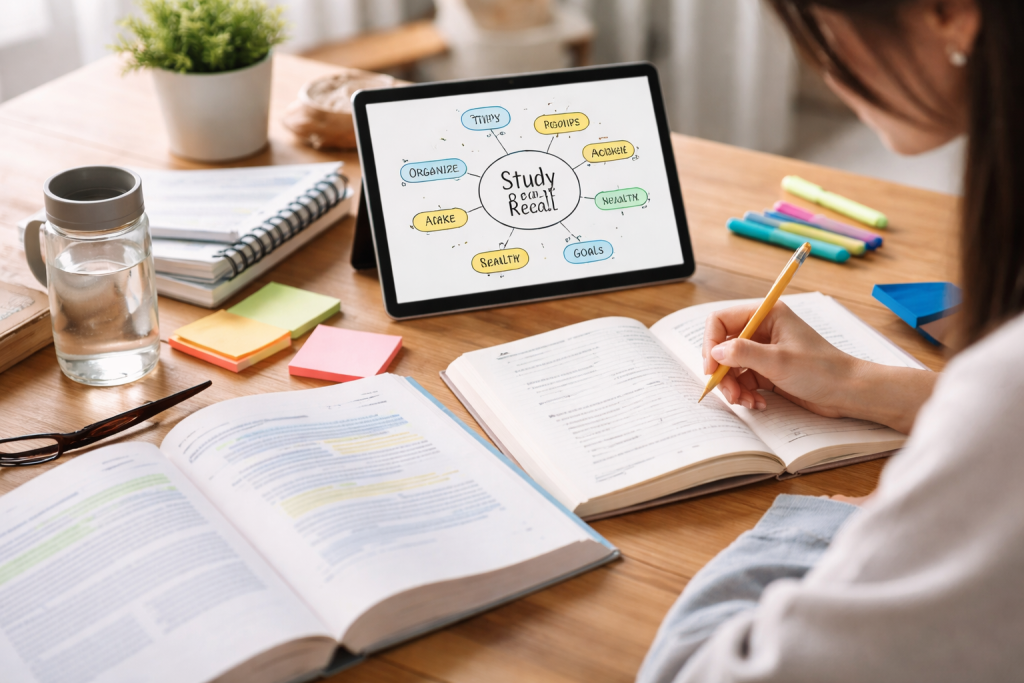
The traditional image of a diligent student often conjures up hours spent hunched over books, highlighting endlessly and rereading notes repeatedly. While dedication is commendable, this approach is often inefficient and can lead to burnout without yielding optimal results. Understanding why study techniques are crucial is the first step toward adopting them. They are not mere tricks; they are scientifically validated methods designed to enhance comprehension, retention, and application of knowledge.
Contents
- 1 Why Rote Memorization Isn’t Enough
- 2 The Science Behind Effective Learning
- 3 Setting the Foundation for a Lifetime of Learning
- 4 Creating a Realistic Study Schedule
- 5 Organizing Your Study Materials
- 6 The Power of Asking Questions
- 7 Engaging in Self-Testing and Retrieval Practice
- 8 Teaching the Material to Others
- 9 University Support Services
- 10 Digital Tools for Enhanced Learning
- 11 The Art of Analysis and Evaluation
- 12 Approaching Problems Systematically
- 13 Designing Your Ideal Study Space
- 14 Cultivating a Positive Mindset
- 15 Embracing Setbacks as Learning Opportunities
- 16 Developing a Growth Mindset
- 17 Seeking Support When Needed
Why Rote Memorization Isn’t Enough
Beginner students often succumb to the temptation of rote memorization, mistakenly believing that merely memorizing facts will guarantee academic success. However, this superficial understanding rarely translates into being able to apply knowledge in different contexts or solve problems. True learning involves making connections, understanding underlying principles, and being able to recall information flexibly.
The Science Behind Effective Learning
Various cognitive psychology principles underpin effective study techniques. Concepts like spaced repetition, active recall, and elaborative interrogation, for instance, leverage how our brains naturally store and retrieve information. By understanding these principles, students can move beyond passive consumption of information to actively engaging with it in ways that promote deeper learning and long-term retention.
Setting the Foundation for a Lifetime of Learning
The study techniques acquired early in a student’s academic career are foundational. They are not just tools for passing exams; they are lifelong skills that can be applied to professional development, personal growth, and navigating an ever-changing world. Mastering these techniques early on sets a positive trajectory, reducing stress and fostering confidence.
One of the most significant hurdles for beginner students is effectively managing their time and staying organized amidst a flurry of lectures, assignments, and extracurricular activities. Without proper structure, studying can become a chaotic and unproductive endeavor, leading to procrastination and missed deadlines. Developing robust time management and organizational skills is paramount to creating a sustainable and effective study routine.
Creating a Realistic Study Schedule
The first step toward effective time management is creating a study schedule that is both realistic and achievable. This involves assessing current commitments, identifying periods of peak productivity, and allocating specific blocks of time for different subjects and tasks. It’s not about cramming every waking hour with study; it’s about smart allocation.
Breaking Down Large Tasks
Large assignments or extensive study topics can feel daunting. Learning to break these down into smaller, manageable components makes them far less intimidating and easier to tackle. This approach also allows for more focused study sessions and provides a sense of accomplishment as each small step is completed.
Prioritizing Your Workload
Not every task has the same importance. Beginner students need to learn how to prioritize their workload based on deadlines, importance, and complexity. Techniques like the Eisenhower Matrix can be incredibly helpful in this regard, as they categorize tasks into urgent/important, important/not urgent, urgent/not important, and not urgent/not important.
Organizing Your Study Materials
Disorganization can be a significant time drain and source of frustration. Establishing a system for keeping notes, textbooks, assignments, and digital files organized is essential. This procedure could involve using binders, digital folders, or note-taking applications consistently.
Effective Note-Taking Systems
The method of taking notes greatly influences their usefulness. Beyond simply transcribing lectures, students should explore methods like the Cornell Note-Taking System, which incorporates summarization and cue sections, or mind mapping, which visually organizes information and its relationships.
Digital Organization Strategies
In today’s digital age, managing files and resources online is crucial. Utilizing cloud storage, renaming files systematically, and employing task management apps can prevent digital clutter and ensure quick access to necessary materials.
Beginner students often default to passive learning, where they simply receive and absorb information. However, research consistently shows that active learning strategies, which require students to engage with the material in a more dynamic way, lead to deeper understanding and better retention. Moving from simply reading or listening to actively doing is the key.
The Power of Asking Questions
One of the simplest yet most powerful active learning strategies is to constantly ask questions. This goes beyond seeking clarification on confusing points; it involves questioning assumptions, exploring the “why” behind concepts, and considering alternative perspectives. This inquisitive mindset transforms passive reception into active processing.
Engaging in Self-Testing and Retrieval Practice
Instead of rereading notes, actively testing yourself is a far more effective method for reinforcing learning. This can involve using flashcards, attempting practice problems without looking at the solution, or even explaining concepts aloud to yourself or others. The effort involved in retrieving information strengthens its neural pathways.
Utilizing Flashcards Effectively
Flashcards are a classic tool, but their effectiveness hinges on using them for active recall. The goal isn’t to flip them until you know the answer; it’s to try and recall the answer before flipping and then to intentionally mix them up to avoid predictable ordering.
The Benefits of Practice Quizzes and Problems
Working through practice quizzes and problems, especially those that mirror the format of actual assessments, is invaluable. It not only pinpoints your areas of weakness but also fosters familiarity with the types of questions you’ll face.
Teaching the Material to Others
Explaining a concept to someone else, whether a classmate, a friend, or even an imaginary audience, forces you to organize your thoughts, clarify your understanding, and identify any gaps in your knowledge. The act of articulation solidifies the learning.
Beginner students often underestimate the wealth of resources and tools available to support their academic journey. From institutional support services to digital innovation, leveraging these assets can significantly enhance learning and problem-solving capabilities.
University Support Services
Most academic institutions offer a range of support services designed to help students succeed. These can include academic advisors, writing centers, tutoring services, and counseling. Understanding what these services are and how to access them is a crucial step for any new student.
The Role of Academic Advisors and Tutors
Academic advisors provide guidance on course selection, degree requirements, and general academic planning. Tutors, on the other hand, offer targeted assistance with specific subjects, helping students overcome conceptual difficulties and develop better study habits within a particular discipline.
Leveraging Writing and Learning Centers
Writing centers offer invaluable feedback on essays, research papers, and other written assignments, helping students improve their clarity, argumentation, and grammar. Learning centers may provide workshops on study skills, time management, and other academic competencies.
Digital Tools for Enhanced Learning
The digital age has brought forth a plethora of tools that can revolutionize studying. From note-taking apps and cloud storage to educational platforms and online research databases, these tools can streamline workflows and provide access to a vast amount of information.
Effective Use of Online Research Databases
Learning to navigate and utilize university library databases effectively is a cornerstone of academic research. These databases provide access to peer-reviewed articles, journals, and scholarly books that are essential for in-depth research and understanding.
Collaborative Tools for Group Projects
Many academic tasks involve teamwork. Proficiency with collaborative tools like Google Workspace, Microsoft Teams, or dedicated project management software can significantly improve the efficiency and effectiveness of group projects, fostering better communication and shared responsibility.
Beyond memorization and comprehension, higher education emphasizes the development of critical thinking and problem-solving skills. These are the abilities that allow students to analyze information, evaluate arguments, and devise innovative solutions to complex issues. Cultivating these skills is a hallmark of a truly engaged and capable learner.
The Art of Analysis and Evaluation
Critical thinking begins with the ability to dissect information, identify biases, and evaluate the credibility of sources. Beginner students should be encouraged to question assumptions, look for evidence, and consider different perspectives before forming their own conclusions.
Deconstructing Arguments and Evidence
Learning to identify the components of an argument, such as premises and conclusions, and to assess the strength and relevance of the evidence presented, is a fundamental critical thinking skill. This allows for a more discerning approach to all information encountered.
Identifying and Addressing Bias
Understanding that a particular slant or agenda can present information is crucial. Students need to develop the ability to identify potential biases in texts, media, and even in their thinking.
Approaching Problems Systematically
Problem-solving, whether in mathematics, science, or humanities, often benefits from a structured approach. This can involve clearly defining the problem, brainstorming potential solutions, evaluating them, and implementing the most appropriate one, followed by reflection.
The Scientific Method in Practice
The scientific method, with its emphasis on observation, hypothesis formulation, experimentation, and conclusion, provides a robust framework for tackling a wide range of problems, not just those in STEM fields.
Creative Problem-Solving Techniques
Beyond purely logical approaches, the development of creative problem-solving skills involves exploring unconventional ideas, utilizing brainstorming techniques, and thinking creatively to uncover novel solutions.
The physical and mental space in which a student studies has a profound impact on their ability to concentrate, absorb information, and maintain motivation. Neglecting the study environment can undermine even the most well-intentioned study plan. Cultivating a positive and productive space is an investment in academic success.
Designing Your Ideal Study Space
The ideal study space is one that minimizes distractions and promotes focus. This might be a quiet corner in a library, a dedicated desk in a bedroom, or even a specific café. Personalizing this space with elements that promote calmness and organization can be beneficial.
Minimizing Distractions
Distractions are the enemies of productivity. Identifying common distractions, whether from electronic devices, ambient noise, or interruptions from others, and implementing strategies to mitigate them is paramount. This might involve turning off notifications, using noise-canceling headphones, or setting boundaries.
Ensuring Comfort and Ergonomics
Studying for extended periods requires a certain level of comfort. Ensuring that your chair and desk are ergonomically sound, that lighting is adequate, and that the temperature is conducive to concentration can prevent physical discomfort from becoming a cognitive distraction.
Cultivating a Positive Mindset
Beyond the physical environment, one’s mental state plays a crucial role. Approaching studying with a positive attitude, viewing challenges as opportunities for growth, and celebrating small victories can significantly boost motivation and resilience.
Managing Stress and Anxiety
The academic pressure can often lead to stress and anxiety. Implementing stress-management techniques, such as mindfulness, regular exercise, and adequate sleep, is vital for maintaining a balanced and productive mindset.
The Power of Breaks and Rewards
Continuous study without breaks is counterproductive. Incorporating short, regular breaks can help to refresh the mind and prevent burnout. Also, rewarding oneself for achieving study goals, no matter how small, reinforces positive behavior and maintains motivation.
The academic journey is usually uneven. Beginner students will inevitably encounter challenges, setbacks, and moments of doubt. The ability to overcome these hurdles and bounce back stronger is known as resilience, and it is a critical attribute for long-term academic and personal success.
Embracing Setbacks as Learning Opportunities
Failure is not the opposite of success; rather, it serves as a crucial step towards achieving it. Instead of viewing a poor grade or a missed deadline as a personal failing, beginner students should be encouraged to analyze what went wrong, identify lessons learned, and use that knowledge to improve future performance.
Analyzing Mistakes Objectively
When things don’t go as planned, a calm and objective analysis of the situation is key. This involves identifying the specific factors that contributed to the setback without succumbing to self-criticism. What could have been done differently? What skills need to be developed further?
Adjusting Strategies Based on Feedback
Academic feedback, whether from instructors, peers, or assessments, is a gift. Learning to receive and interpret this feedback constructively, and then using it to adjust study strategies and approaches, is a hallmark of a resilient learner.
Developing a Growth Mindset
Unlike a fixed mindset, a growth mindset posits that one can develop abilities and intelligence through dedication and hard work. This perspective fosters a willingness to embrace challenges, persevere in the face of obstacles, and learn from criticism, all essential components of resilience.
The Importance of Self-Efficacy
Self-efficacy, the belief in one’s own ability to succeed, is a powerful motivator. By setting achievable goals, celebrating successes, and reflecting on past accomplishments, students can build a strong sense of self-efficacy that will sustain them through difficult times.
Seeking Support When Needed
Resilience does not mean facing challenges alone. It is a sign of strength, not weakness, to recognize when you need help and actively seek it from instructors, peers, academic advisors, or mental health professionals. Building a support network is an integral part of navigating challenges.
In conclusion, the transition to higher education presents both opportunities and challenges for beginner students. By understanding the foundational importance of effective study techniques, mastering time management and organization, actively engaging with learning materials, strategically utilizing available resources, developing critical thinking prowess, cultivating a conducive study environment, and fostering resilience in the face of adversity, these students can not only survive but thrive. The message is clear: study smarter, and the rewards will be immeasurable, paving the way for a fulfilling and successful academic journey and beyond.

Our mission is to assist students, beginners, and professionals in learning more effectively, developing practical skills, and enhancing their confidence in today’s digital world.